
Bathroom Shelf Styling That Leaves Room for Everyday Life
By At Home with Alice Editorial · Published · Updated · 4 min read
Make bathroom shelves useful before making them decorative. Plan around damp conditions, frequently reached essentials and cleaning, then add a restrained layer of texture that suits the room and your actual everyday household storage needs.
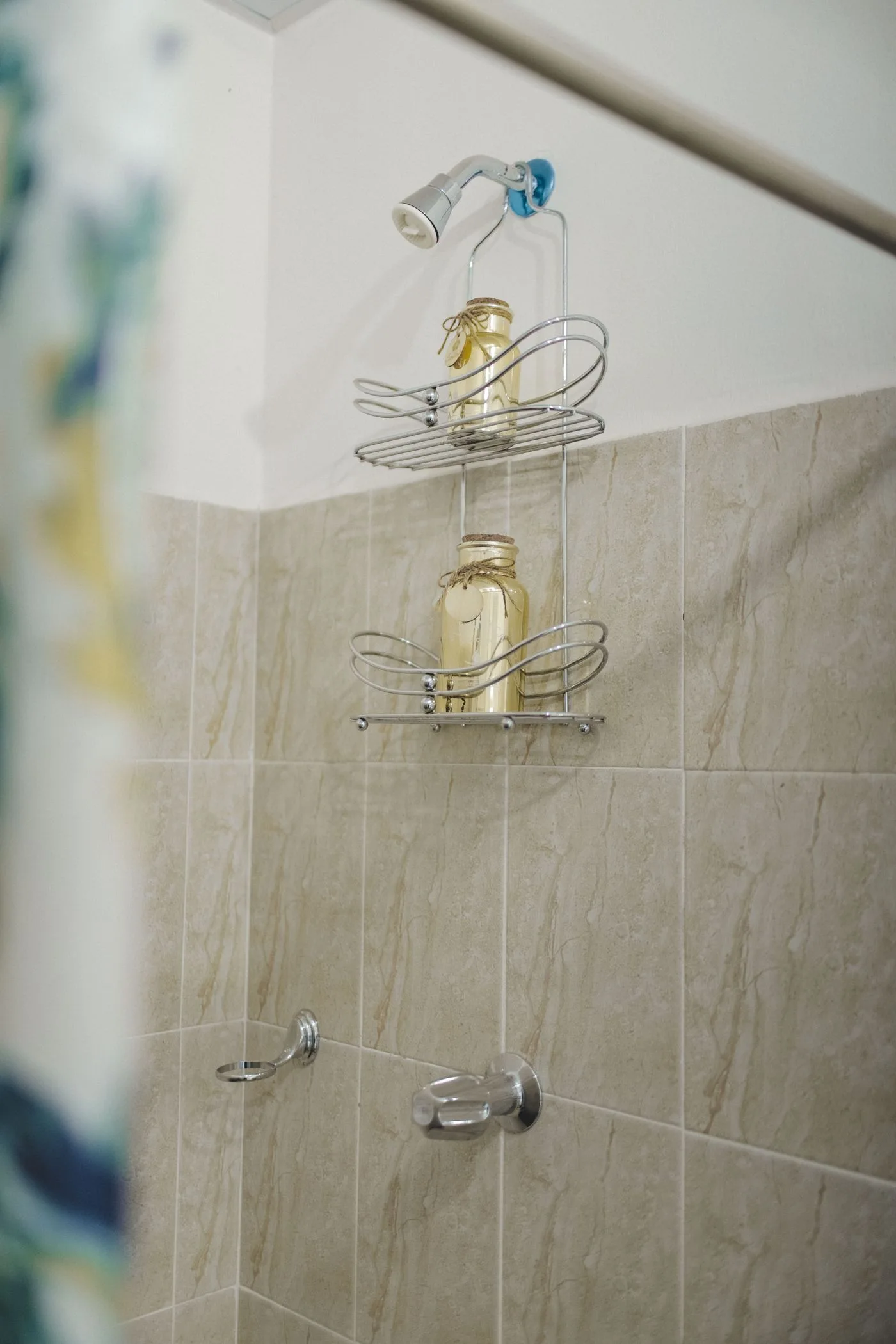
A bathroom shelf can look serene until the household's toothbrushes, spare shampoo and shaving supplies arrive. The problem is rarely a lack of styling talent. The shelf has been asked to serve as a photograph and busy storage at the same time. Start with the things needing a home and decoration becomes easier to judge.
The practical verdict: store frequent essentials where they are easy to reach and wipe around. Add decorative objects only after the shelf can cope with an ordinary morning.
Separate daily items from reserves
Gather what belongs in the bathroom and divide it by use. Daily products need convenient access; unopened replacements can live in a less prominent spot. Check storage instructions rather than assuming toiletries or medicines all belong in a humid room. A shelf beside a shower is a different environment from a cupboard outside the bathroom.
Decide which items genuinely suit open storage. Towels can look pleasing, but a stack regularly splashed or dusty is not useful. Small containers corral loose items, though lids add another step if you need the contents repeatedly. Choose the level of concealment according to the item and person using it, rather than one consistent decorative rule.
Give each shelf a clear job
Use the easiest-to-reach shelf for frequently handled objects. Put heavier items where they are stable and comfortably reached. Before installation, check load limits, wall type and appropriate fixings. Take care around concealed services; installation decisions should follow product instructions and the needs of the property. Ask for suitable help when these details are uncertain.
| Shelf location | Useful contents | What to check |
|---|---|---|
| Near the basin | A small daily-use group | Splash exposure and cleaning |
| Higher shelf | Lightweight occasional items | Safe reaching and suitable load |
| Outside the wettest area | Appropriate spare towels | Ventilation and storage instructions |
Style around gaps
Leave clear space between groups so the shelf looks composed and you can lift items without knocking their neighbours over. A tray can unite bottles, but should fit securely and not make cleaning harder. Test the arrangement by taking out the item at the back. If four objects must move first, simplify it.
Choose one or two materials suited to the conditions and repeat them sparingly. A glazed container and washable textile may provide enough contrast without several decorative finishes. Read care instructions for baskets, timber and metal accessories, especially where moisture is common. Something described as decorative is not necessarily intended for a wet area.
Keep useful labels and information
Matching dispensers can reduce visual noise, but decanting is an extra responsibility. Retain necessary labels and instructions and use containers compatible with their contents. Never put unfamiliar products into identical unlabelled bottles. If household members use different preparations, clear identification matters more than a coordinated display. Keeping original packaging can be the simplest practical choice.
You can create a quieter arrangement without transferring everything. Group bottles by height, move spare packages to closed storage and remove empty containers. Choose a soap dish or dispenser by its function at the basin, including whether residue is easy to clean, rather than how well it matches an inspiration image.
Budget for the storage problem
Spend first on a suitably installed shelf or cabinet if storage is inadequate. Next choose a few correctly sized containers for objects that need grouping. Measure shelf depth and allow space for nearby fittings or doors. A container that overhangs can be awkward even if its stated capacity sounds useful. Leave clear edges for confident handling.
Skip a full accessory set when only one piece is needed. Avoid filling shelves with candles, plants and ornaments before finding homes for essentials. A plant needs conditions suited to that particular plant; humidity alone does not mean a windowless bathroom supports it. Artificial greenery still collects dust and needs cleaning. Our bedroom layering guide takes the same approach to decorative extras.
Bathroom shelf questions
How many decorative objects should I add?
Start with none, then add one if there is comfortable working space. The right number does not interrupt use or make cleaning a chore.
Are baskets always useful?
No. They suit appropriate dry contents when their material tolerates the location. Choose storage intended for splash-prone conditions where necessary.
How can mismatched toiletries look tidier?
Group the daily selection and put reserves elsewhere. Clear space and consistent placement usually help more than replacing every container.
Explore the options
Use these retailer categories to compare dimensions, materials, care instructions and current prices. These are ordinary outbound links.
Sources & further reading
Manufacturer and public guidance checked 11 October 2026. Check individual product information before purchasing.