
How to Build a Sage Green Room That Still Feels Like You
By At Home with Alice Editorial · Published · Updated · 4 min read
A sage green room works best when colour follows the light and the furniture you already own. Use this practical plan to choose a suitable shade, balance textures and avoid buying an entire matching room.
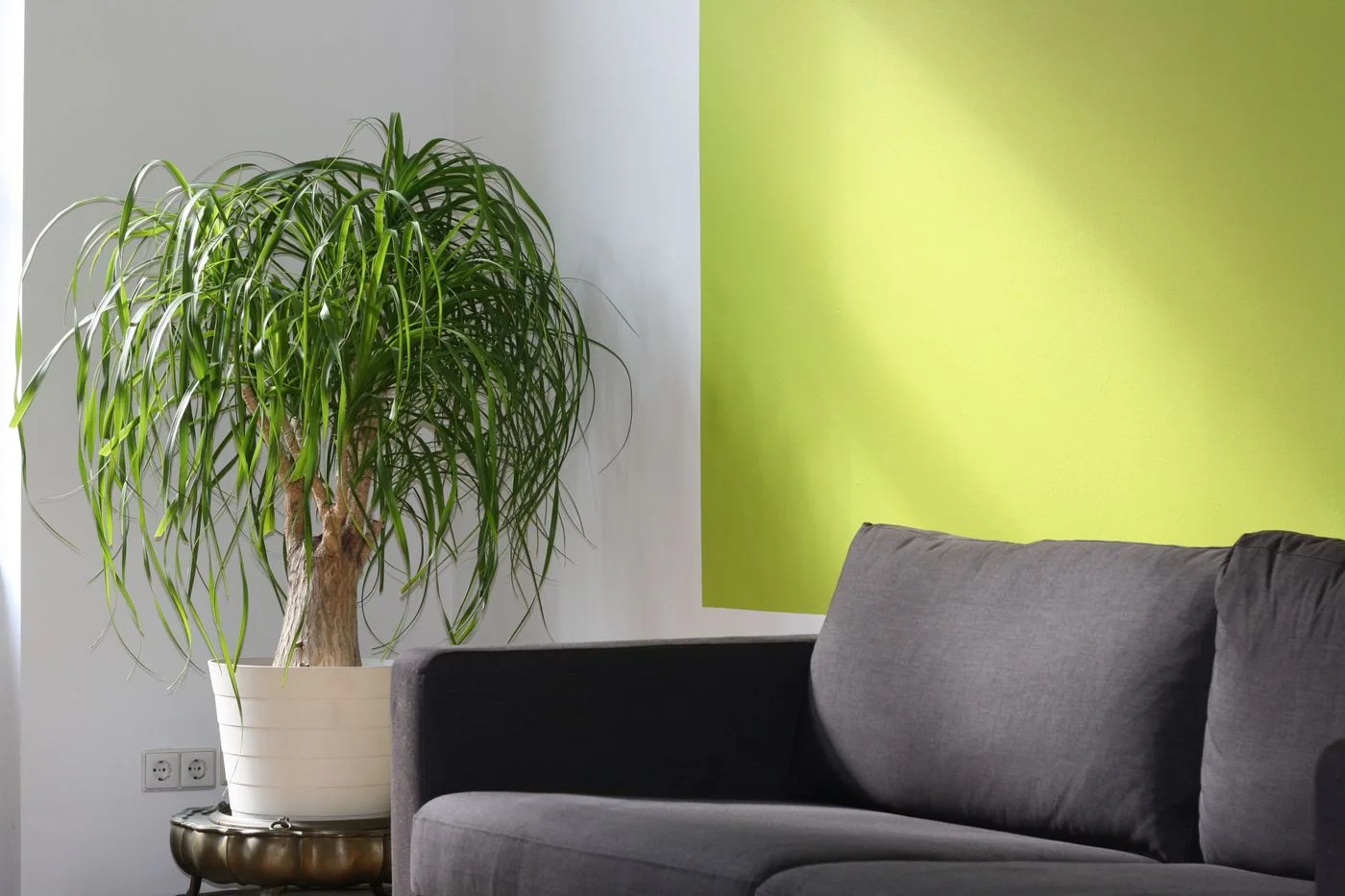
A green paint sample can look gentle beside a shop display and surprisingly grey beside your own sofa. That is the difficulty with decorating around a colour name: sage describes a family of shades, not a promise about how your room will feel. Before ordering cushions and curtains, start with the room on an ordinary day, including the dark corner and the television you actually use.
The useful starting point: choose one green that works with your fixed surfaces, then let texture and a few existing objects provide variety. You do not need green walls, upholstery and accessories to make the idea clear.
Read the room before choosing the colour
List the things that are staying: flooring, a large sofa, kitchen cabinets visible through the doorway and substantial wooden furniture. A green with a yellow undertone may sit comfortably beside honey-coloured wood; another may make it look more orange. These are visual relationships, so compare actual samples rather than relying on a screen.
Put generous sample boards beside those surfaces and move them around. Look in the morning, late afternoon and under the lamps you use after dinner. Keep boards upright, because a sample lying on a table receives different light. If two shades remain convincing in all three settings, choose between them after considering the textiles.
Choose where the green should live
For a room with busy shelving or several doorways, painting all the walls can make the background feel more continuous. An accent wall is useful when it has a clear architectural reason, such as a chimney breast, but a random rectangle of colour may make a small room feel fragmented. Neither approach is automatically better.
| Your situation | Good starting point | Tradeoff |
|---|---|---|
| You rent and cannot paint | Green textiles or artwork | The effect stays concentrated around furniture |
| Your sofa has strong colour | A restrained wall sample | Test both colours together |
| There is little daylight | A lighter sample and better lamp placement | Paint cannot fix a poorly lit corner |
Add texture without making a theme
A room feels more personal when its materials do different jobs. A woven cushion softens a smooth sofa; a wooden side table gives a glass vase something quieter to sit on. Repeat a material once or twice rather than introducing a new finish with every purchase. Existing oak, painted timber and a little metal can coexist without every handle matching.
Use cream or warm grey as breathing space if you enjoy a soft palette. For contrast, try a dark frame or patterned textile that already contains green. Lay items together before buying anything else. A pattern is often more useful as a bridge between colours than another perfectly coordinated plain cushion.
Spend on the part you touch or see most
Budget first for the finish covering the largest area, including preparation materials required for painting. Next consider an actual inconvenience: curtains that do not close properly or a lamp that leaves the reading chair in shadow. Decorative purchases come after these needs. Our reading corner lighting guide explains how to give one seat useful light.
Buy one cushion cover or fabric sample before ordering a set. Check dimensions, care instructions and whether an insert is included. Compare curtain fabric in front of the window as well as beside the paint; backlighting can change its appearance. Keep a small physical palette for shopping trips.
What to leave out
Skip a coordinated accessory bundle. It can spend the budget on objects without a purpose and make a room feel like a display. Avoid replacing a comfortable sofa solely because its colour is absent from your inspiration image. Try moving artwork, changing one textile and clearing the side table before deciding the furniture is the problem.
Questions worth asking
Does every green need to match?
No. Different greens can work together when their relationship looks intentional in your light. Compare them directly and repeat one elsewhere so an unusual shade does not feel stranded.
Can sage work with a grey sofa?
Often, but grey fabrics vary. Test a sample beside the sofa in daylight and lamplight, then add a warm textile if the combination feels flat.
What should I buy first?
A sample, then a short list tied to practical needs. Buy one layer at a time and leave room for things you discover gradually.
Explore the options
Use these retailer categories to compare dimensions, materials, care instructions and current prices. These are ordinary outbound links.