
Layer a Calm Bedroom Without Filling Every Surface
By At Home with Alice Editorial · Published · Updated · 4 min read
Build a bedroom around comfortable bedding, manageable light and a clear bedside surface. This guide separates useful layers from decorative extras, with practical priorities for shared rooms, small spaces and a realistic household buying budget.
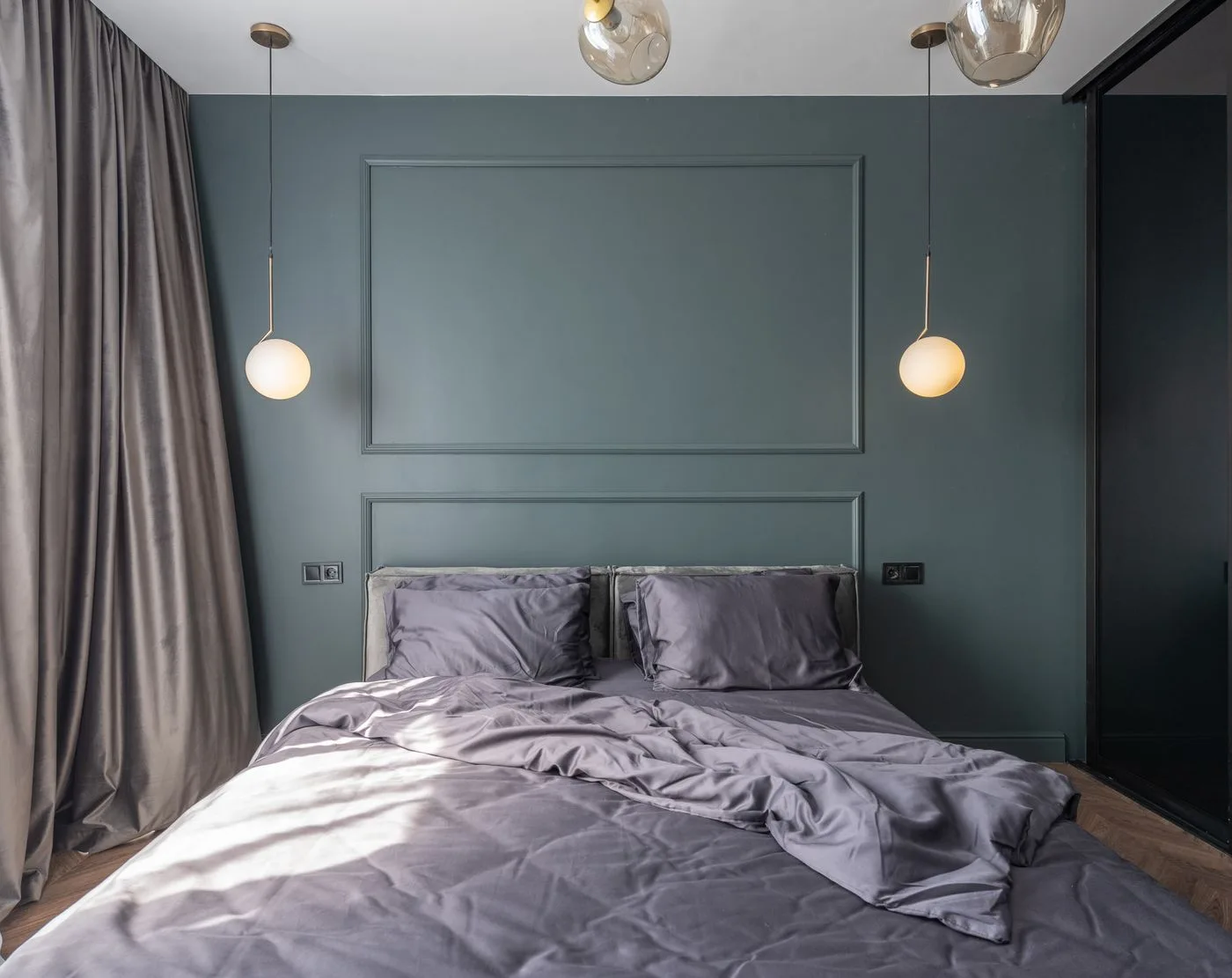
A bedroom can accumulate good intentions: a throw for colour, extra cushions for fullness, a chair for reading and a basket for blankets. Soon the chair holds laundry and getting into bed requires moving a stack of accessories. A calmer room starts with the beginning and end of your day, then adds only the layers you enjoy using.
The guiding choice: build from comfortable essentials, useful light and straightforward storage. Softness can come from a few well-chosen surfaces rather than a larger number of things.
Begin with the bed as it is used
List annoyances before making a shopping list. A sheet that slips, a duvet that feels too warm or pillows that do not suit your preferred position deserve attention ahead of decorative cushions. Check mattress and bedding measurements, since product names alone do not guarantee compatible sizes. Measure mattress depth when choosing a fitted sheet.
For new bedding, read fibre composition and care labels. Choose something that fits your laundry routine, including drying space and whether you are willing to iron. A rumpled look in a picture may involve a material whose feel you do not enjoy. Where possible, handle a sample or inspect a display, and check returns conditions for opened bedding.
Give each layer a purpose
A sheet, duvet cover and suitable pillows may be all you need. A throw is useful if it adds adjustable warmth or protects the foot of the bed from clothes placed there. Decorative cushions are optional. If you enjoy them, decide where they go at night before choosing a generous pile.
| Room or routine | Layer to prioritise | Compromise |
|---|---|---|
| A small bedroom | Simple bedding with texture | Little space for spare cushions |
| Partners prefer different warmth | Flexible individual bedding | Less visual symmetry |
| Limited drying space | Manageable care requirements | Fewer decorative fabric layers |
Quiet the bedside surfaces
Keep what you use at night within reach: perhaps a lamp, water and a book. Choose a table by height and useful surface, not only appearance. Drawers hide small objects, but need opening space beside the bed. A narrow shelf may suit a tight room if it can be installed appropriately.
Charge devices where cables do not cross the route around the bed. If charging belongs elsewhere, give it a consistent home. Avoid styling a bedside surface so completely that there is nowhere to put a glass. For flexible reading light, see our lighting guide. Check that any bedside arrangement remains reachable from your usual position.
Consider evening and morning light separately
A bedside lamp should support what you do there, such as reading, and be easy to reach. One person may prefer directed light while another wants a softer background glow. Try the position with someone sitting in bed. A light can be attractive and still shine into a partner's eyes.
At the window, decide whether privacy, light reduction or decoration is the main need. Measure carefully and check how curtains or blinds fit around radiators and furniture. The solution depends on the window and installation options. Avoid promising yourself that a particular fabric or colour will solve every sleep difficulty; this is a room-planning decision, not a treatment.
Set a realistic buying order
Replace worn essentials first, then improve window coverage or lighting if either creates a daily frustration. Choose the palette after identifying these larger items. Two or three related colours make shopping easier, with patterned fabric or artwork supplying variation. Use a photograph of your room when comparing possibilities, alongside physical samples where possible.
Skip a matching furniture suite unless every piece fits. A large dressing table may be less useful than a small chest with adequate clothing storage. Avoid baskets without assigned contents, because they become hiding places for unfinished sorting. One clear surface often contributes more to the feeling of the room than another decorative object.
Bedroom layering questions
Do pale colours make a bedroom calm?
They can create a gentle backdrop, but clutter, glare and awkward furniture still matter. Choose colours you enjoy in your light rather than treating a palette as a universal rule.
How many cushions should I use?
As many as you enjoy moving and storing. Starting with none helps you see whether an extra pair adds pleasure or another task.
Should everything be symmetrical?
No. Shared bedrooms can have different lamps or tables when each side serves its user well. Repeat a material or colour for visual connection.
Explore the options
Use these retailer categories to compare dimensions, materials, care instructions and current prices. These are ordinary outbound links.