
A Sunday Home Reset That Leaves Time for the Weekend
By At Home with Alice Editorial · Published · Updated · 4 min read
Prepare the parts of the house that make Monday easier, without turning Sunday into a cleaning marathon. Choose a few useful tasks, share the work and buy storage only after identifying what needs a home.
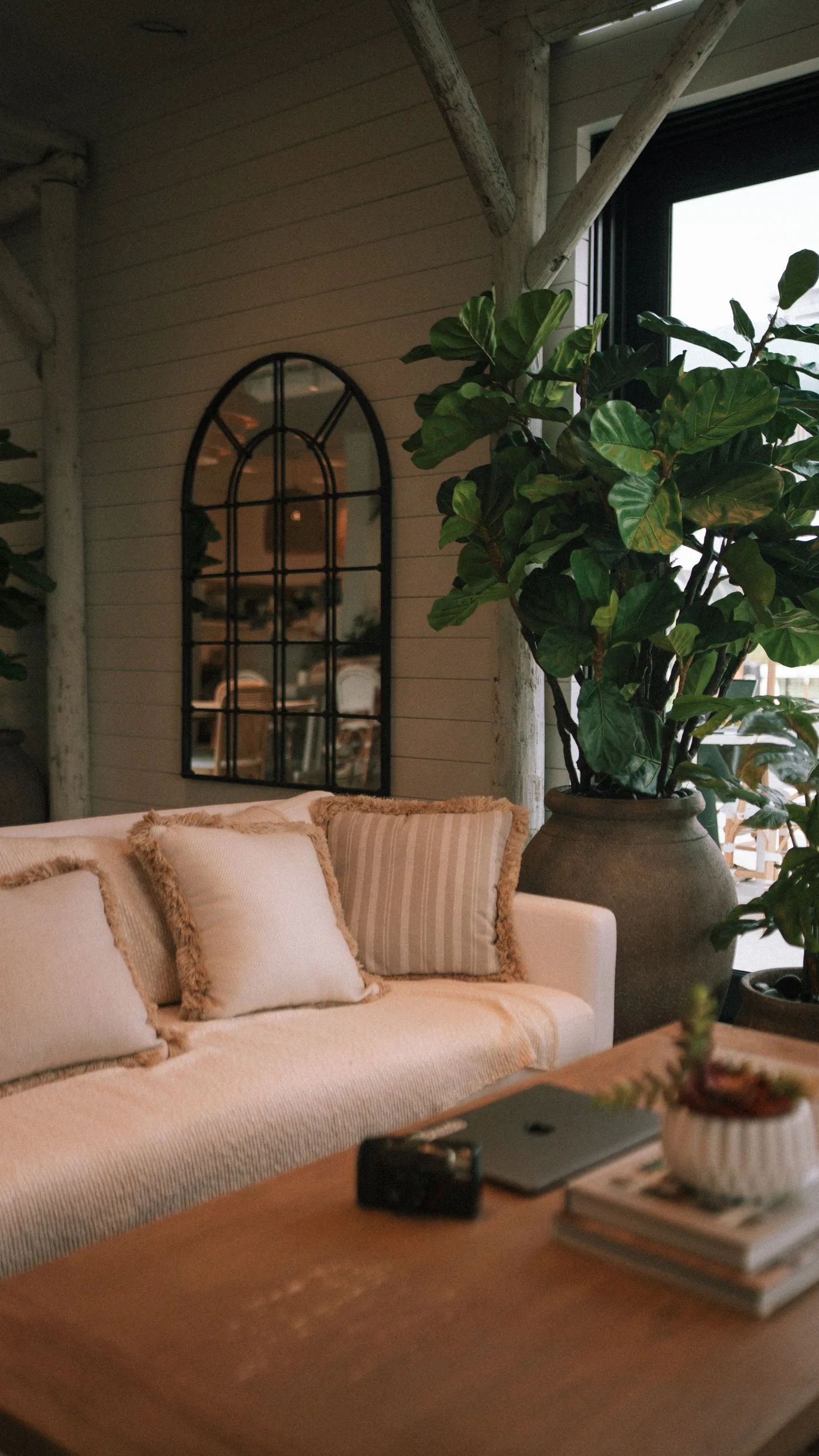
A Sunday reset can easily grow from changing a towel into reorganising every cupboard. By late afternoon the house is full of unfinished piles and the weekend has disappeared. A more useful approach starts with Monday: what needs to be ready for the next day, and which small tasks will make that happen?
The answer is different in every home. It might mean clean work clothes, a clear kitchen table or a school bag with the correct book inside. This guide offers a limited household sequence, with optional shopping decisions. It does not require a spotless house, a particular family structure or an entire free afternoon.
Choose three outcomes
Write three practical outcomes before starting. “Know where the keys are” is an outcome; “organise everything” is not. Choose something for departure, something for the kitchen and something for the room you use most. If another household member owns one of those tasks, agree who will do it.
Set a realistic boundary based on the time available. You might work for twenty minutes or complete a short list before stopping. Use a timer if it helps, but do not treat the time as a test. When a task reveals a bigger job, note it for another day unless it genuinely prevents tomorrow from working.
Make departures less scattered
Check bags, passes, keys and weather-appropriate items that are needed for the next day. Put them in the place from which they will actually leave. A basket in an attractive corner is not useful if everyone naturally uses another door. Observe the route through your home and arrange storage around it.
For shared entrances, assign a small area to each person rather than making one large pile. Keep the floor and exit route clear. If the hallway is narrow, a shelf or a hook arrangement may be more practical than a deep storage bench, but confirm installation requirements before ordering.
Reset the kitchen for its next use
Clear the surface needed for the next meal, check the shopping list and return clean equipment to its place. You do not have to reorganise the pantry. If food storage needs attention, follow packaging instructions and appropriate food-safety guidance; an organisational routine should never replace those checks.
Look ahead only far enough to answer the next practical question. Do you have the ingredients for tomorrow's planned meal? Is the pan clean? Does anything need adding to the list? These are useful decisions. Decanting every cupboard ingredient into matching jars is a separate project with its own costs and maintenance.
Finish one living space
Choose the room where you want to spend the rest of Sunday. Return items that have a known home, gather stray paperwork and make seating available. Keep a small collection basket only as a temporary tool. Empty it at the end, otherwise it becomes a new place where objects wait indefinitely.
Leave some signs of ordinary life. A book being read or a craft in progress does not have to disappear. The distinction is whether the object is being used and has a manageable place. A home can look lived in while still letting people sit, move and find what they need.
Buy storage after naming the contents
| Storage idea | Best question to ask | Potential drawback |
|---|---|---|
| Entrance basket | Which specific items will live here? | A deep basket can hide small essentials |
| Paper file | What needs keeping rather than recycling? | Too many categories add sorting work |
| Laundry sorter | Does the location match your laundry routine? | Extra sections need extra floor space |
| Closed living-room cabinet | Will the contents fit with doors and shelves in use? | It can conceal accumulation without solving it |
Measure the contents as well as the room. Check internal dimensions, not just the overall cabinet size. Read load limits, wall-anchoring instructions and care requirements. Try an existing box for a week to confirm that a new storage location is convenient before investing in permanent furniture.
End with a clear stopping point
Put cleaning or sorting tools away and remove any temporary piles from routes through the home. Share the next day's information that others need, then stop. If the same unfinished task returns every week, decide whether it needs a smaller scope, a different owner or a separate planned session.
Frequently asked questions
Must this happen on Sunday?
No. Choose the point before your household's busiest stretch. The name is less important than the timing.
What if I live alone?
Keep the same three-outcome limit and choose the tasks that make your next day easier. There is no need to create extra work.
How do I avoid buying too many organisers?
Name the contents, test a location with what you own and measure carefully. Buy only when the temporary arrangement has shown a clear need.