
An Evening Wind-Down Routine That Fits an Ordinary Home
By At Home with Alice Editorial · Published · Updated · 4 min read
A practical evening reset for rooms that still contain laundry, work bags and unfinished jobs. Build a small, repeatable sequence with what you own, then decide whether any purchases would actually help in everyday life.
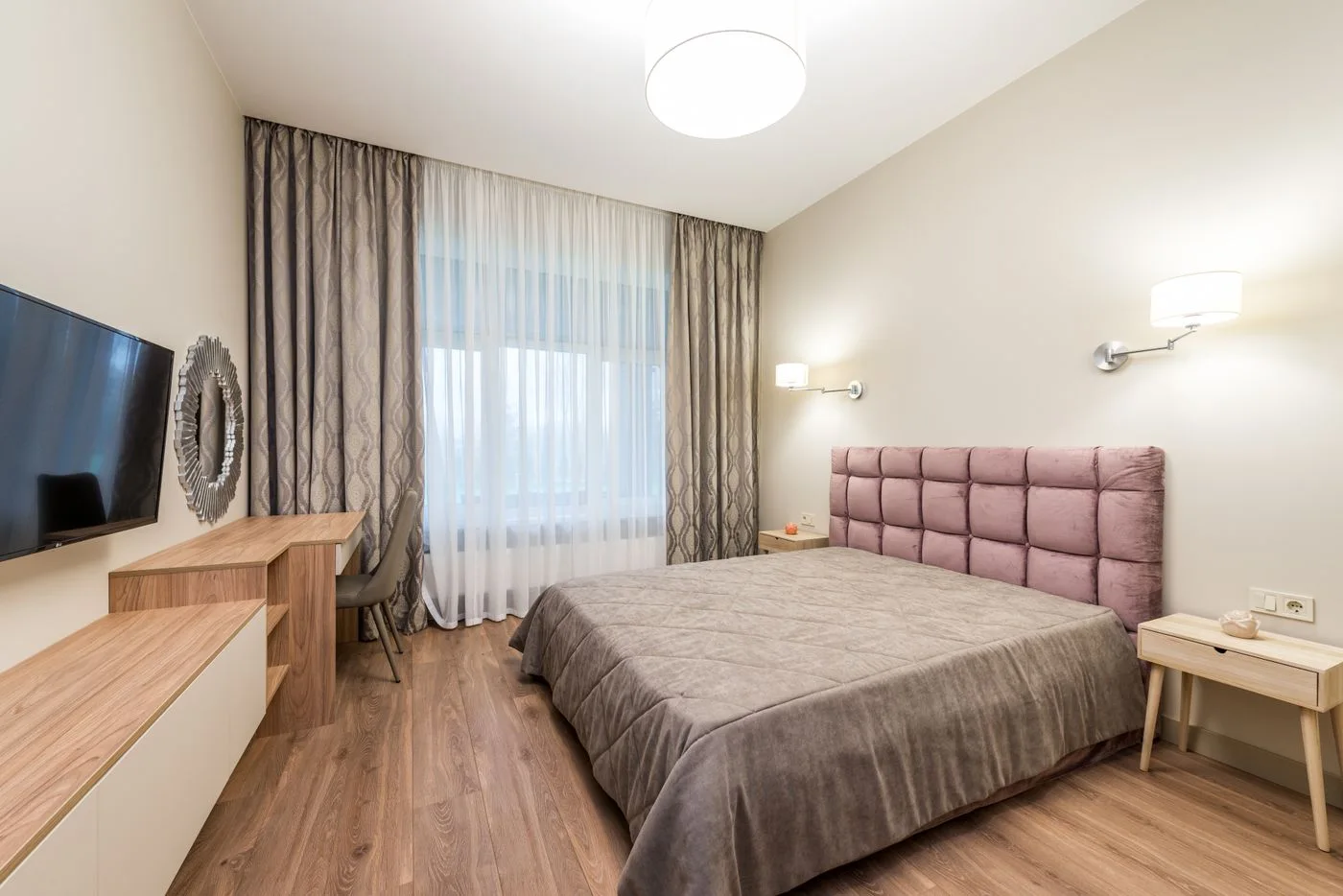
The dishwasher is running, a school bag is open by the door, and tomorrow's work is still somewhere in your head. An evening routine needs to fit this sort of room. It does not need a bathroom shelf full of matching bottles or a living room that looks untouched. The useful question is simpler: what would make the next half hour easier to enjoy?
This guide is about organising an ordinary evening, rather than treating sleep problems or promising a particular result. Think of the sequence as a flexible household habit. Some nights it will involve reading; on others, it might be ten quiet minutes at the kitchen table before another family task begins.
Start with a finish line for household jobs
Choose one small closing task: put food away, clear the table, or gather tomorrow's essentials. Avoid making “finish the house” your target, because a lived-in home always offers another job. Write any remaining task on a scrap of paper. The point is to give it a place without turning your evening into another project.
In a shared home, agree which jobs genuinely need doing tonight. A wet spill needs attention; a pile of clean clothes can often wait. If one person always performs the closing shift, distribute named tasks rather than asking vaguely for help. A five-minute kitchen clear is easier to share than an undefined request to tidy everything.
Make one seat ready
You do not have to reset the whole room. Remove the parcels from one chair, put a book within reach, and give a drink a stable landing place. Move trailing charging cables away from the route through the room. This creates an available place to sit without requiring a decorative makeover.
Use lighting that lets you comfortably see what you are doing. A reading corner needs enough task light; a dim room is not automatically a useful room. If you already own a table lamp, try moving it before shopping. Check that its cord reaches safely without stretching across a walkway.
Choose an activity with a natural stopping point
A chapter, a small puzzle, folding a few napkins, or listening to one familiar album can provide a manageable boundary. The right choice depends on your household and preferences. Do not buy a journal merely because someone else's routine includes one. A plain notebook can hold a shopping reminder and a short note about tomorrow just as well.
If your phone is the main source of entertainment, decide what you want from it before opening it. That might be calling a friend or listening to a programme. Keeping a charger near the chosen seat can be convenient, but moving it away is also an option if reaching for the phone interrupts the activity you actually wanted.
Buy only for a repeated inconvenience
Try your routine for several evenings and notice the obstacle that keeps returning. Is the only lamp on the wrong side of the room? Does the blanket constantly slide off a crowded chair? A specific inconvenience gives you something useful to assess in a shop. A vague wish for a calmer life does not give a product a fair job to do.
| Possible purchase | Useful when | Try first |
|---|---|---|
| Adjustable reading lamp | Your current light cannot reach the page | Move an existing lamp and chair |
| Small side table | There is no stable place for essentials | Clear a nearby surface |
| Washable throw | You repeatedly want an extra layer | Use a blanket already in the cupboard |
Measure the footprint of a table before buying and check the lamp's bulb requirements. For textiles, read the care label and consider where the item will dry. A beautiful object that adds difficult maintenance may not suit the purpose of an easier evening.
When the routine keeps falling apart
Late shifts, children, caring responsibilities and unexpected calls can make a fixed timetable unrealistic. Keep the order if it helps, but shorten the contents: one closing task, one prepared seat, one chosen activity. You can also move the routine earlier. There is no requirement for it to happen immediately before bed.
Frequently asked questions
Does every evening need to look the same?
No. A recognisable starting cue can be enough. Keep the routine adaptable to the people and obligations in your home.
Should I buy matching accessories?
Only if you enjoy them and they solve a practical need. A mixed collection of useful possessions works perfectly well.
What if I only have five minutes?
Put tomorrow's essentials in one place and sit down with an activity you chose deliberately. A small version is still a complete version.