
Simple Weeknight Meal Planning for a Busy Kitchen
By At Home with Alice Editorial · Published · Updated · 4 min read
Plan a few workable dinners around the time, equipment and ingredients you already have. This practical approach reduces decision-making without requiring identical containers, complicated preparation sessions or a completely new way of cooking every week.
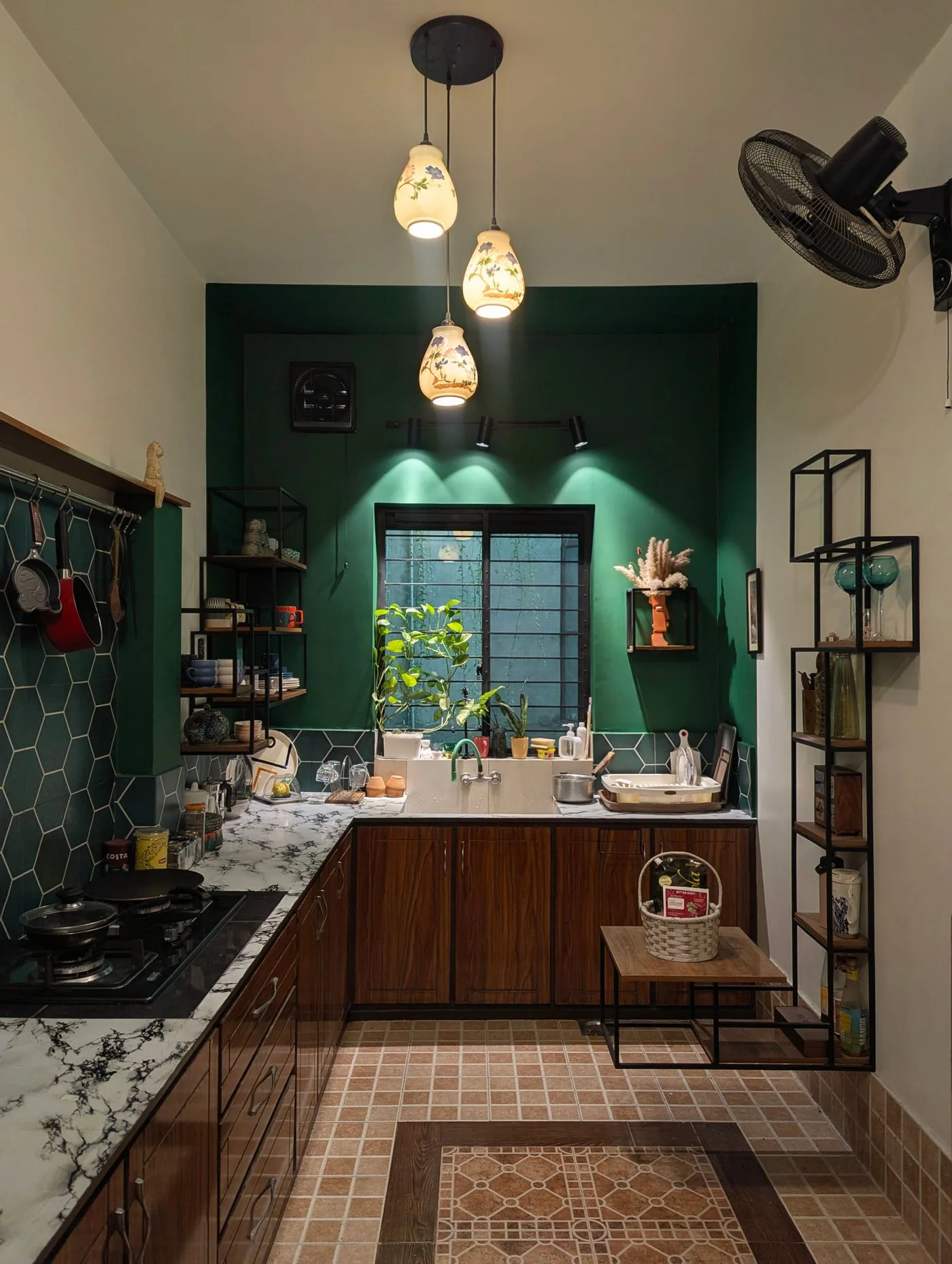
It is six o'clock, the kitchen is busy and someone asks what is for dinner. A useful meal plan answers that question without depending on an ideal weekend preparation session. It should reflect the food your household enjoys, the time available and the number of people actually eating at home.
This is a guide to household organisation and buying useful kitchen equipment, rather than dietary advice. There is no required menu, nutritional promise or special shopping list. Start with three ordinary evenings and leave room for plans to change.
Check the week before checking recipes
Mark the evenings when cooking time is short, the nights people eat separately and the day you can shop. A recipe that takes an hour may be enjoyable on Sunday and impractical between a late meeting and an evening activity. Assign meals to the time you have, not the time you wish you had.
Then look through the fridge, freezer and cupboards. Make a short list of ingredients you want to use, checking labels and condition rather than assuming everything is still suitable. Follow storage and use instructions on food packaging. Planning is not a reason to keep food beyond its safe life.
Build a small menu with different levels of effort
Choose one familiar meal that involves little decision-making, one meal with a little more preparation and one flexible option assembled from ingredients your household already uses. For example, your familiar choice might be pasta, while the flexible option could be filled wraps or a baked potato with individually chosen toppings.
Keep the examples adaptable to dietary requirements and preferences. The practical benefit is having different levels of effort available. Avoid selecting three ambitious new recipes for the busiest part of the week. Learning a new method takes attention, even when an ingredient list looks short.
Write one realistic shopping list
Group the list in a way that matches how you shop. Check pack sizes against the number of portions you need and consider where unused ingredients will go. A large bag is not automatically better value if the remainder is unlikely to be used. Likewise, a smaller prepared ingredient may be worth its cost on an evening when preparation time is limited.
Include household essentials in a separate section so they do not disappear among recipe ingredients. If several people shop, use a shared list or keep one paper list in an agreed place. The system should be simple enough that someone else can use it without a tutorial.
Prepare components only when it helps
You do not need to cook the whole week in advance. Washing a suitable item when needed, setting out equipment or checking that a pan is available may be sufficient. If you do prepare or store food ahead, follow authoritative food-safety guidance for the specific food and method rather than guessing from an attractive storage photograph.
Separate the cooking task from the storage task. Buying containers does not decide what you will cook. Try your plan first, notice which leftovers or ingredients you actually need to store, then choose containers sized for those uses. Check manufacturer instructions for freezer, microwave or dishwasher suitability individually.
Kitchen purchases worth questioning
| Item | Consider it when | Check carefully |
|---|---|---|
| Food containers | Your existing containers lack suitable lids or sizes | Storage suitability and replacement lids |
| Large pan | Your usual household meal does not fit existing pans | Hob compatibility, weight and cupboard space |
| Planning board | Everyone needs to see the dinner plan | Whether paper already does the job |
| Small appliance | A repeated cooking task would use it regularly | Cleaning, storage and actual capacity |
Be wary of a gadget whose only purpose is to make planning feel more organised. Count the times you would realistically use it in a month. Read the operating instructions before buying if the retailer provides them, especially for appliance clearances, cleaning and capacity.
Leave a blank evening
A completely filled plan can become a source of waste when an invitation, late train or unexpected appointment changes the week. Leave one evening flexible. Keep an ordinary fallback meal in mind using ingredients suitable for your household, and move a planned recipe rather than forcing it into the wrong night.
Frequently asked questions
How many meals should I plan?
Begin with three dinners. Add more only if the plan is being used and helping the household.
Do I need matching containers?
No. Functional, suitable containers with sound lids matter more than a uniform cupboard. Replace missing or damaged pieces when necessary.
What if everyone wants different food?
Try a shared base with separately chosen additions where practical. Agree on the menu before shopping so the plan reflects the people eating.