
Style a Dining Table for Everyday Meals, Not Just Occasions
By At Home with Alice Editorial · Published · Updated · 4 min read
Give your dining table a simple everyday arrangement that clears easily for meals, homework or work. Choose useful textiles, flexible lighting and a modest centrepiece, with spending priorities for small and multipurpose family dining spaces.
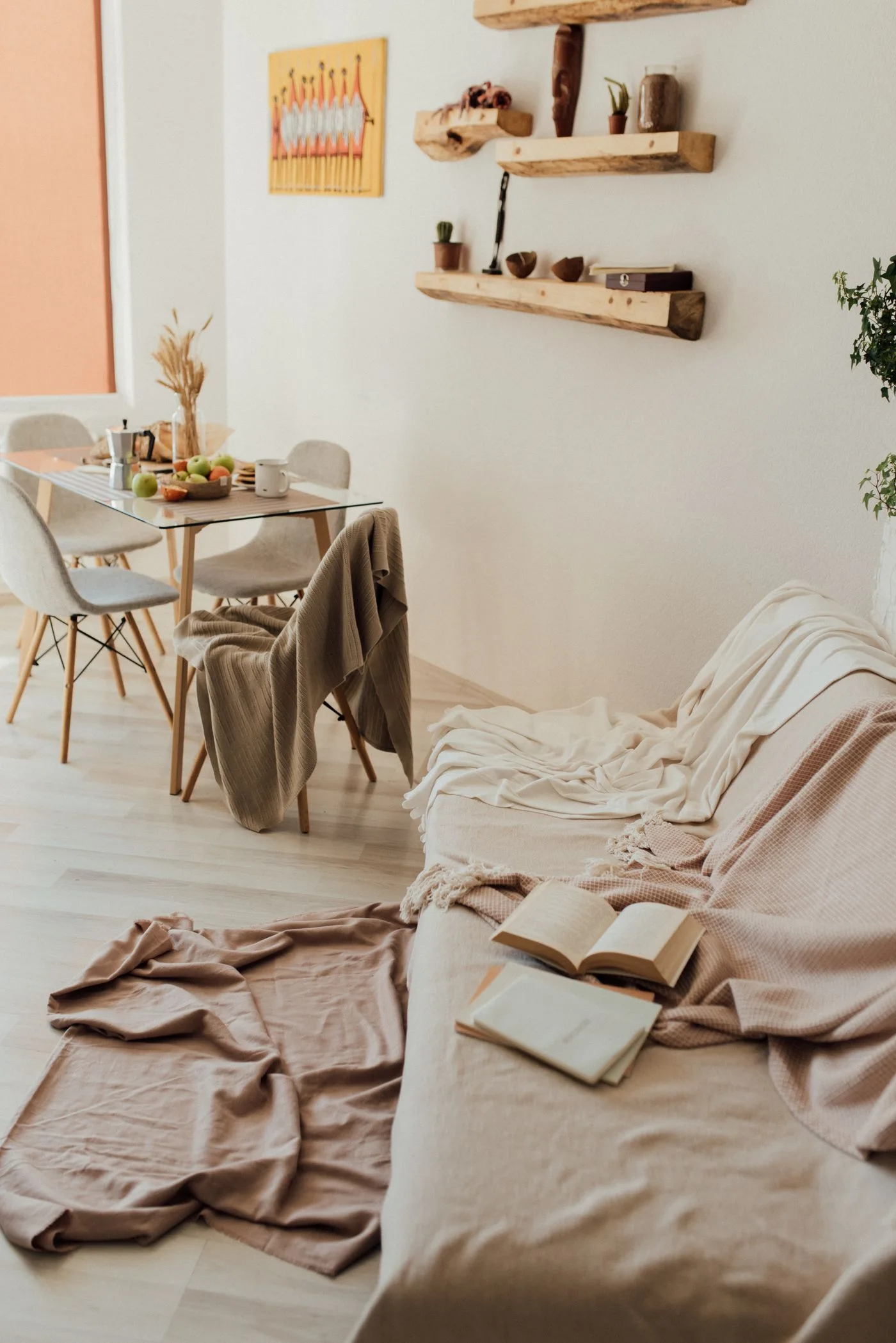
By six o'clock the dining table may have been a desk, parcel station and homework surface. An elaborate permanent centrepiece becomes one more thing to relocate before dinner. Everyday table styling works best when it acknowledges that the table earns its place through several jobs, rather than pretending it waits untouched for guests.
The useful verdict: keep the main arrangement easy to move, choose textiles you can maintain and leave working space for an ordinary meal. A welcoming table does not require a special set of everything.
Start with the table's real schedule
Write down what happens there through a typical week. If it becomes a desk each morning, decide where work materials go at dinner. A portable box or tray can ease the transition, provided it has a proper destination. Moving a pile onto the nearest chair simply transfers clutter. Choose a container that fits its eventual parking place.
Measure the usable tabletop and check what remains after plates, glasses and serving dishes are in place. Include the people regularly seated there, not just the number in a furniture description. If a centrepiece forces everyone to pass dishes over it, choose something smaller or remove it during meals. The room can feel considered with an empty table.
Choose textiles for your routine
A cloth can soften the room and protect the surface, according to the needs of the table and cloth. It also creates laundry and may need moving for messy activities. Placemats are easier to remove individually, though some are less forgiving of spills or heat than appearances suggest. Read their care and use instructions.
| Everyday use | Option to try | Compromise |
|---|---|---|
| Meals and desk work | Removable placemats | Need convenient storage |
| A surface you prefer covered | A suitable washable cloth | More laundry and possibly ironing |
| A small table and shared dishes | Minimal textile, no fixed centrepiece | Less decoration between meals |
Make the centrepiece earn its space
A low bowl, modest vase or small tray can be enough. Choose a scale that leaves sightlines open and supports conversation across the table. Fresh flowers need water and care; dried materials have their own cleaning and placement considerations. Keep fragile arrangements away from edges and where bags land. Test the arrangement with the table set.
If you enjoy candles, use holders designed for them and follow safety instructions, including supervising use and keeping flames away from combustible materials. For many busy households, a centrepiece without a flame is easier to manage. Decoration should fit the room's occupants and routines rather than creating something else to monitor during dinner.
Check light from a seated position
A pendant that looks beautiful from the doorway may glare when you sit beneath it. Test evening light while everyone is seated and consider how the fitting relates to the table's usual position. If you frequently extend the table, one fixed light may cover the two arrangements differently. Think about homework as well as dinner.
For a fitting change, follow installation requirements and use a suitable professional where needed. In a rental, confirm permission before permanent changes. A nearby lamp can add atmosphere if its position and cable are appropriate, but should not leave the meal difficult to see. Comfort and usable light come before the dramatic photograph.
Spend on frequently used pieces
Replace chipped or unsuitable everyday tableware before buying a display set. Check stackability, dishwasher suitability where relevant and cupboard dimensions. A plate can fit the table and still be awkward in storage. Buy a small quantity first if possible to judge size and feel before committing to a full set. Keep replacement availability in mind when comparing ranges.
Choose serving pieces around food you actually share. One bowl used for salads, vegetables and fruit may be more useful than several single-purpose dishes. With mixed crockery, repeat a simple element such as clear glasses or plain napkins. See our rented kitchen refresh for the same practical buying approach.
What to skip
Skip tall arrangements that block faces and runners leaving no space for serving. Avoid seasonal accessories for every occasion before securing reliable basics. Keep fewer objects than the table could physically hold, so clearing takes a moment rather than an entire rearrangement. A table that is easy to reset is more likely to feel welcoming tomorrow.
Everyday dining questions
Can a small table look finished without a centrepiece?
Yes. Comfortable chairs, clean lines and useful light can provide character. Set the table for dinner and let the meal be the focus.
Should crockery match?
Only if you enjoy it and the pieces suit your routines. Mixed tableware can feel coherent when colours or materials repeat.
How do I handle work materials?
Give them a portable container and separate parking place. A clearing routine matters more than decoration intended to hide paperwork.
Explore the options
Use these retailer categories to compare dimensions, materials, care instructions and current prices. These are ordinary outbound links.