
How to Choose a Table Lamp for Reading and Relaxing
By At Home with Alice Editorial · Published · Updated · 5 min read
A good table lamp suits the seat, the surface and the person reaching for its switch. Use this room-by-room guide to compare light direction, shade proportions, bulb compatibility and practical placement before choosing a style.
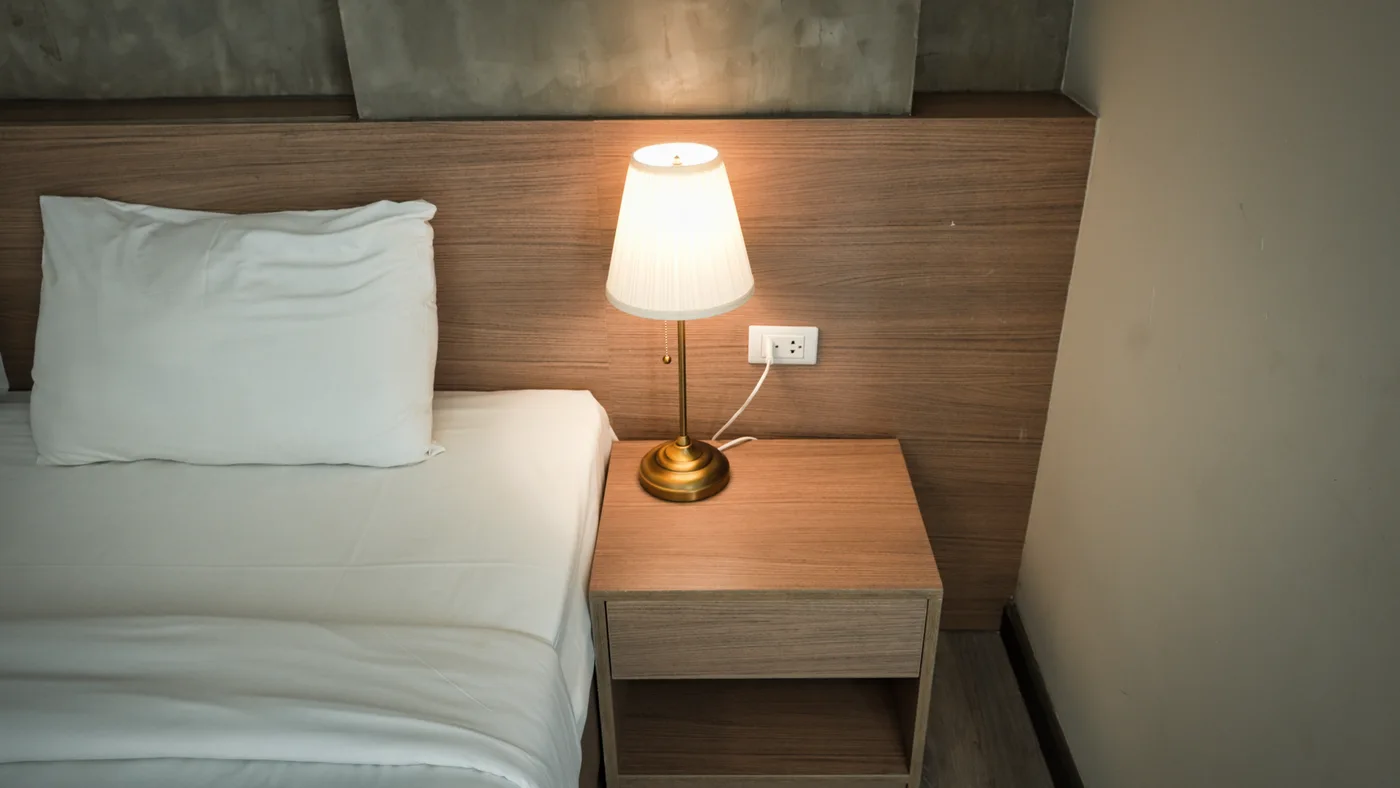
A table lamp has two jobs: it must look comfortable in the room and put usable light where you need it. A small ceramic lamp can make a console inviting yet leave a book in shadow. An adjustable desk lamp may support detailed work while feeling too exposed beside the sofa. Decide what you will do under the light before choosing the shape of the base.
Our buying verdict: choose adjustable, directed light for reading or tasks, and a shaded lamp for a softer pool of light around a seating area. Some rooms need both. The recommendations here compare designs and buying criteria; they do not represent measured output tests or electrical installation advice.
Start from the chair
Sit where the lamp will be used and notice the height of your eyes, the angle of a book and the available surface. A shade that hides the bulb while you stand may expose it when you sit. A lamp tucked behind the sofa may illuminate the room but leave its switch beyond comfortable reach. Test the arrangement with an existing lamp if you can.
For a shared bedroom, consider whether one person will read while the other settles down. Direction and position may matter more than choosing a larger lamp. Place a paper template on the bedside table to see whether the base leaves space for a glass, glasses and a book without crowding the edge.
Choose a design for the task
| Setting | Design to consider | Main compromise |
|---|---|---|
| Desk or hobby table | Adjustable arm and directed shade | Needs clearance for movement |
| Sofa side table | Stable base with a shaded light source | May not direct enough light onto a book |
| Narrow bedside surface | Compact footprint with accessible switch | Check stability and glare carefully |
| Console or sideboard | Decorative shaded lamp | Ambient effect is not task illumination |
An articulated design such as IKEA's TERTIAL is an example of the adjustable task-lamp category. Its current product information should be checked for the exact version, mounting method and compatible light source. Do not transfer specifications from a photograph of a similar lamp or from a different country's listing.
Read the bulb information before ordering
Check the bulb fitting, maximum permitted rating and whether a bulb is included. For a lamp with an integrated light source, investigate replacement and service information. A dimmable bulb does not automatically make a lamp and control combination compatible: all the relevant parts must support the intended setup.
Brightness information and colour appearance answer different questions. Think about the room's existing lighting and what feels comfortable during the intended activity. Avoid choosing purely by the wattage number printed on a bulb box, and follow the lamp manufacturer's requirements. If the specification is unclear, ask the retailer before purchase.
Look past the photograph
Online styling can hide the cable, switch and true size of a shade. Read dimensions for both base and shade, not just overall height. Look for a photograph that shows the lamp in relation to furniture. Consider whether the shade can be removed for cleaning and whether a replacement is a standard, obtainable type.
Plan a cable route to an appropriate socket without trailing it across a walking path. Allow enough reach that the cord is not pulled tight when the lamp is moved slightly for cleaning. If the room needs electrical work to support the arrangement, use a qualified professional rather than improvising around a poorly placed outlet.
Pros, cons and who should skip each option
Adjustable lamps: useful when a task moves around a surface, but their joints and reach need room. Skip one on a delicate shelf that cannot support its intended mounting. Fabric-shaded lamps: can soften the visible light source, but shade material and shape change the result. Skip a deeply shaded design if your main need is precise work lighting.
Compact decorative lamps: can fit a narrow surface, but small does not always mean stable. Skip a top-heavy option where it may be knocked during daily use. A floor lamp or a professionally fitted wall light may be a better spatial answer when the table itself is already full.
What not to overpay for
Touch controls, app connectivity and decorative finishes are worthwhile only when they support your routine. A switch you can reach easily may be more valuable than a complicated control system. Spend first on appropriate construction, compatible components and a shape that keeps the light comfortable from the seat.
Care and questions
Switch off and disconnect a portable lamp before cleaning, following its instructions and allowing hot components to cool. Keep liquids away from electrical parts. Use the manufacturer's method for the shade material rather than assuming every shade can be washed.
Should bedside lamps be identical?
They can be, but two different reading habits may justify different controls or shapes. Similar finishes can connect them visually without compromising either person's use.
Can a lamp replace the main room light?
Sometimes it can provide the atmosphere you want, but check whether routes and activities remain comfortably lit. Plan several useful light positions rather than expecting one decorative object to do everything.
Continue planning a restful bedroom with our cotton and linen bedding comparison, or use the housewarming guide before giving a lamp to someone whose room dimensions you do not know.
Explore the options
Use these retailer categories to compare dimensions, materials, care instructions and current prices. These are ordinary outbound links.
Sources & further reading
Manufacturer and public guidance checked 11 October 2026. Check individual product information before purchasing.